
 en
en Spanish
 Portuguese


Experience the Ultimate Machu Picchu Train Adventure
Experience the perfect blend of travel comfort, culture, and stunning views as you journey from Cusco or Ollantaytambo to Machu Picchu with Inca Rail. Book your tickets online today and join thousands of travelers discovering the best Machu Picchu train tours available.
Find the right train for your journey
Travel to Machu Picchu in style with Inca Rail—choose the train experience that fits your journey.
See the best of Peru with our guided tour packages
Pair your train journey with unforgettable excursions. Discover our guided tours to Machu Picchu, the Sacred Valley, Rainbow Mountain, and other must-see destinations across Peru.
Save on your trip to Machu Picchu
Get exclusive discounts on train tickets to Machu Picchu. Book early and save.
Choose your departure point to Machu Picchu
Travel to Machu Picchu from Cusco or Ollantaytambo with Inca Rail. Both routes offer breathtaking views of the Sacred Valley and comfortable train experiences that connect you directly to Machu Picchu Pueblo (Aguas Calientes).
Plan Your Machu Picchu Train Tour in a Few Easy Steps
Select your departure city and travel date

Select your departure city and travel date
Choose to start your journey from either Cusco or Ollantaytambo, and pick the date that works best for your visit.
Pick your preferred train service and schedule
Pick your preferred train service and schedule
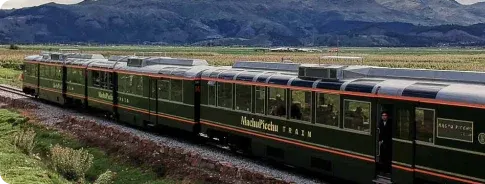
Explore our train options — including The Voyager, The 360°, The Prime, and The First Class — and select the train experience that suits your style and comfort needs.
Add tickets to Machu Picchu
Add tickets to Machu Picchu
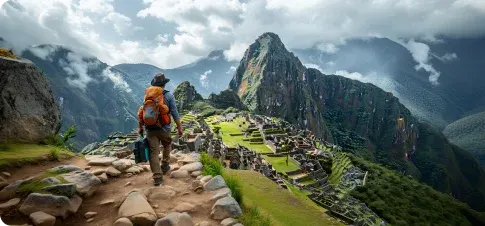
For a complete experience, select an All-Inclusive fare, which includes your entry ticket to Machu Picchu, the Consettur bus, and a guided tour of the citadel.
Confirm and receive your tickets

Confirm and receive your tickets
After completing your booking, you’ll get an immediate confirmation with your digital train tickets and itinerary.
Plan smart: Travel information & routes
Find everything you need to plan your journey with confidence:
Routes to Machu Picchu
Discover the best routes from Cusco and Ollantaytambo to Machu Picchu and plan your scenic Machu Picchu train tour journey.
View route details
Discover the best routes from Cusco and Ollantaytambo to Machu Picchu and plan your scenic Machu Picchu train tour journey.
View route details
Train schedules
Check the latest train schedules and book your tickets to Machu Picchu. Find the perfect time for your journey.
Check schedules
Check the latest train schedules and book your tickets to Machu Picchu. Find the perfect time for your journey.
Check schedules
Train services
Explore our luxurious train options and choose your ideal Machu Picchu train tour experience.
Check trains
Explore our luxurious train options and choose your ideal Machu Picchu train tour experience.
Check trains
Tours & packages
Browse our complete range of Machu Picchu guided tours and exciting local tours, including Sacred Valley tours and Rainbow Mountain excursions.
Discover tours
Browse our complete range of Machu Picchu guided tours and exciting local tours, including Sacred Valley tours and Rainbow Mountain excursions.
Discover tours
Plan your trip
Get all the information you need to book your train ticket and prepare for an unforgettable Machu Picchu visit.
Buy tickets
Get all the information you need to book your train ticket and prepare for an unforgettable Machu Picchu visit.
Buy tickets
Why travel with Inca Rail?

Our travelers know us


Leonardo Q.
ColombiaA comfortable and informative experience
This experience is very well organized, very comfortable, and punctual. Jazmine was very kind to us, considering that we were traveling with an elderly adult. Her warmth and attentiveness made our transit on the bimodal service much easier.
Ernesto S.
ColombiaYou have to experience it
Excellent service, wonderful views, very comfortable and spacious, plus excellent customer service staff. I recommend it 100% I wish the trip lasted longer to continue enjoying it.
Marcela E.
ColombiaThe best tour
Incredible experience, excellent service and ambiance, spectacular views, and the entire staff makes you have a great time.
Salvador M.
MéxicoInca Rail is worth it, you won’t regret it
I booked the 360° experience, and it was incredible both ways. We had Yeiko and Lino on both trips. They were always attentive and helped us at all times. 100% recommended.
África A.
MéxicoExperience on the Machu Picchu Train
Christall Garcia did an exemplary job, very kind and attentive. The seats are very comfortable, and the views are incredible!! Excellent trip!!
Frequently asked questions
What’s the difference between booking from Cusco vs. Ollantaytambo?
The main difference is travel time and starting point. Departing from Cusco offers a longer journey, allowing you to see more scenic views along the way. Meanwhile, Ollantaytambo stands as the favored and more accessible option, particularly if you find yourself staying in the Sacred Valley.
The majority of travelers lean towards Ollantaytambo for its shorter travel duration and the convenience of more frequent train schedules heading to Machu Picchu.
Do you offer round-trip train tickets or just one-way options?
We offer both! You can book one-way or round-trip train tickets to Machu Picchu directly on our website. This flexibility allows you to decide on your return journey according to your schedule and preferences.
If you're planning a packed itinerary, a one-way ticket might fit better. But if you want a fuss-free trip, round-trip tickets are a great choice.
What are the differences in window views between train classes?
Each of our train services offers a unique perspective on the stunning landscape.
- The Voyager boasts large side windows perfect for enjoying the mountain vistas.
- The 360° takes it a step further with panoramic windows and an open-air observatory car, enhancing your visual experience.
- The Prime y The First Class provide wide windows in an upscale, relaxed setting, allowing you to absorb the beauty of the Sacred Valley as you travel.
Are meals or snacks served on every train service?
It depends on the train service you have chosen.
- The Voyager offers onboard sales, with a selection of snacks and beverages made with local ingredients.
- The 360° includes traditional Andean snacks and beverages as part of the experience.
- The Prime includes a gastronomic experience with snacks prepared with ingredients from the Andes.
- The First Class offers a complete gourmet dining experience, including a three-course menu and wine pairing.
What’s the best train for photographers or scenic views?
For those passionate about photography, The 360° is your best bet. With its panoramic windows and open-air observatory car, it ensures you won’t miss a single breathtaking view of the Andes. It's particularly magical in the morning light, providing some of the best landscape photo opportunities straight from your seat.
Is it better to take a morning or afternoon train to Machu Picchu?
The best time to travel depends on your itinerary. Morning trains are ideal if you're planning to explore Machu Picchu on the same day, allowing you to enjoy the cooler weather. Alternatively, afternoon departures offer the perfect setup for an overnight stay in Aguas Calientes, giving you the chance to visit the citadel early the next day.
How to get tickets to Machu Picchu if I’m outside Peru?
No worries if you're outside of Peru; you can easily buy tickets for Machu Picchu through our website. It's a hassle-free process allowing you to choose dates, classes, and even additional services. Once you've booked online, you'll receive a digital ticket via email.
How early should I arrive at the station before departure?
Arriving at least 30 minutes early at the station helps ensure a smooth and timely boarding process. This gives ample time for check-in, boarding, and addressing any last-minute queries. If you're en route from Cusco to Ollantaytambo first, be sure to account for extra travel time. Arriving early helps keep your trip smooth and stress-free.